A healthy smile begins with good dental hygiene. The appearance of your teeth can influence your confidence, but dental hygiene goes much deeper than having a bright smile. Daily oral care helps remove plaque, protect your teeth from decay, keep your gums healthy, maintain fresh breath, and allow you to notice potential dental problems early.
Many people become interested in their oral health when they notice yellowing, staining, bad breath, or changes in their gums. These concerns can be a useful reminder to take a closer look at your everyday dental hygiene routine. Consistent habits make a significant difference over time, especially when brushing, cleaning between the teeth, eating habits, hydration, and professional dental care all work together.
Teeth whitening can be part of a cosmetic oral-care routine for people who want to reduce certain types of staining. Before focusing on whitening, it is important to establish healthy dental hygiene habits and understand what may be causing tooth discolouration.
This guide explores why dental hygiene matters, how to build an effective oral-care routine, what causes tooth stains, and the different approaches people use when looking for a brighter smile.
Why Dental Hygiene Is So Important
Dental hygiene is one of the most important parts of maintaining your oral health throughout your life. Your mouth is exposed to food, drinks, bacteria, and acids every day. Without regular cleaning, bacteria can accumulate on the teeth and along the gumline, creating plaque.
Plaque is a sticky film that contains bacteria and develops naturally on the teeth. When plaque remains on the teeth, the bacteria can interact with sugars from food and produce acids that contribute to tooth decay. Plaque around the gums can also contribute to inflammation and gum problems.
Daily dental hygiene helps control this buildup. Brushing removes plaque from the surfaces of your teeth, while cleaning between your teeth reaches areas that a toothbrush cannot easily access. Tongue cleaning can also help remove bacteria and debris that accumulate on the tongue.
Good dental hygiene can help support:
- Healthy teeth
- Healthy gums
- Fresher breath
- Reduced plaque buildup
- Protection against tooth decay
- Better overall oral cleanliness
- Early detection of dental problems
- A cleaner and brighter-looking smile
These habits are especially valuable because dental problems can develop gradually. Someone may feel perfectly comfortable while plaque, tartar, cavities, or gum problems are developing. Regular oral care and dental examinations provide opportunities to identify these issues before they become more complicated.
Want to take your daily oral-care routine a step further? Explore ProvaDent and discover an oral health supplement designed to complement your everyday dental hygiene habits. Learn more about the ingredients and see whether ProvaDent could be a good addition to your routine.
What Happens When You Neglect Dental Hygiene?
When dental hygiene is inconsistent, plaque can remain on the teeth for longer periods. Over time, plaque can harden into tartar, also called dental calculus. Tartar is firmly attached to the teeth and generally requires professional cleaning for removal.
Plaque and tartar around the gumline can irritate the gums. Early gum inflammation is commonly associated with redness, swelling, tenderness, and bleeding during brushing or flossing. Persistent gum problems can become more serious when they are left untreated.
Poor dental hygiene can also contribute to tooth decay. Bacteria use sugars and carbohydrates available in the mouth and produce acids that can gradually damage tooth enamel. As damage progresses, cavities can develop and may eventually require professional treatment.
Bad breath is another common concern. Odour can come from bacteria, food particles, tongue buildup, dry mouth, gum problems, and certain foods or drinks. Maintaining good oral hygiene can help address several common contributors to unpleasant breath.
This is why dental hygiene deserves attention every day. A few minutes of oral care in the morning and evening can contribute to protecting your teeth and gums over many years.
1. Brush Your Teeth Twice a Day
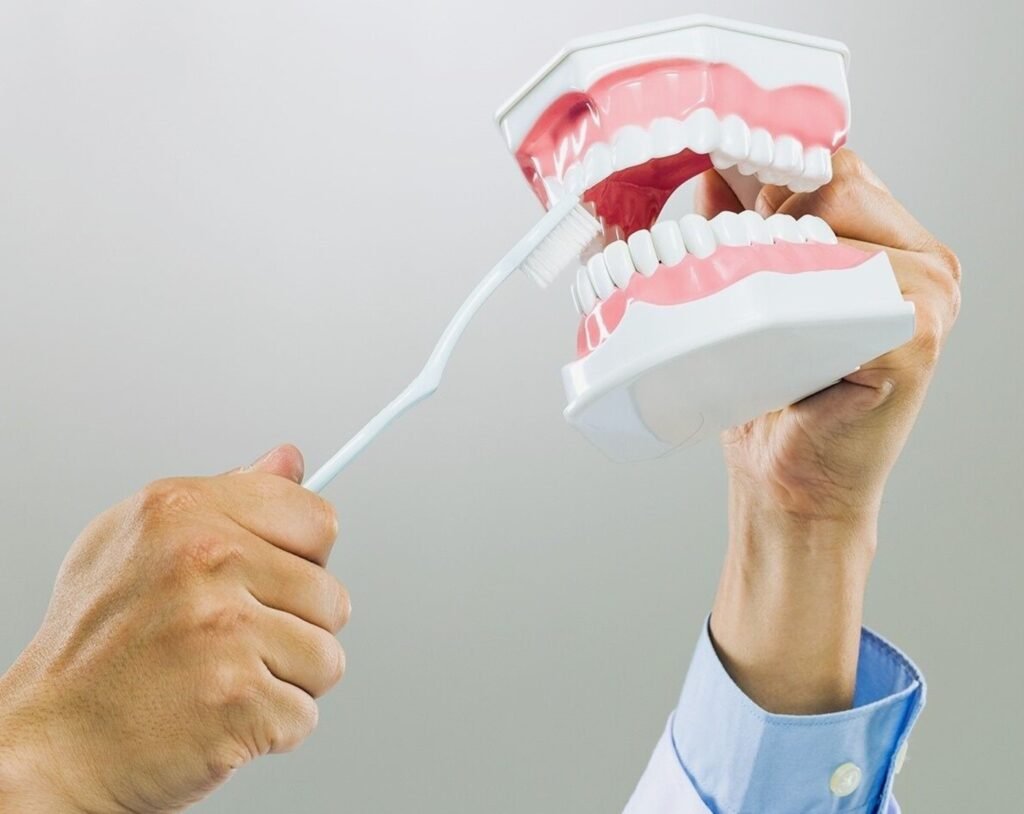
Brushing your teeth twice a day is one of the foundations of dental hygiene. The goal is to remove plaque, food particles, and bacteria from the surfaces of your teeth and around the gumline.
The American Dental Association recommends brushing twice daily with fluoride toothpaste. A brushing session should last around two minutes, giving you enough time to clean all areas of your mouth rather than quickly brushing the front surfaces of your teeth.
Use a soft-bristled toothbrush and gentle pressure. Divide your mouth into sections so you can give attention to the upper and lower teeth, the front and back surfaces, and the chewing surfaces of your molars.
Your toothbrush should also be replaced when the bristles become worn or damaged. Many dental professionals recommend replacing a toothbrush approximately every three to four months, with earlier replacement when the bristles become frayed.
A simple brushing routine can look like this:
- Wet your toothbrush.
- Apply fluoride toothpaste.
- Hold the toothbrush at a slight angle toward the gumline.
- Brush gently using small circular movements.
- Clean the outer, inner, and chewing surfaces.
- Brush your tongue gently.
- Spit out the toothpaste after brushing.
Taking your time with this process helps make brushing a meaningful part of your dental hygiene routine.
2. Clean Between Your Teeth Every Day
One of the most overlooked parts of dental hygiene is cleaning between the teeth. A toothbrush cannot effectively reach every narrow space between neighbouring teeth, which means plaque and food particles can remain in these areas.
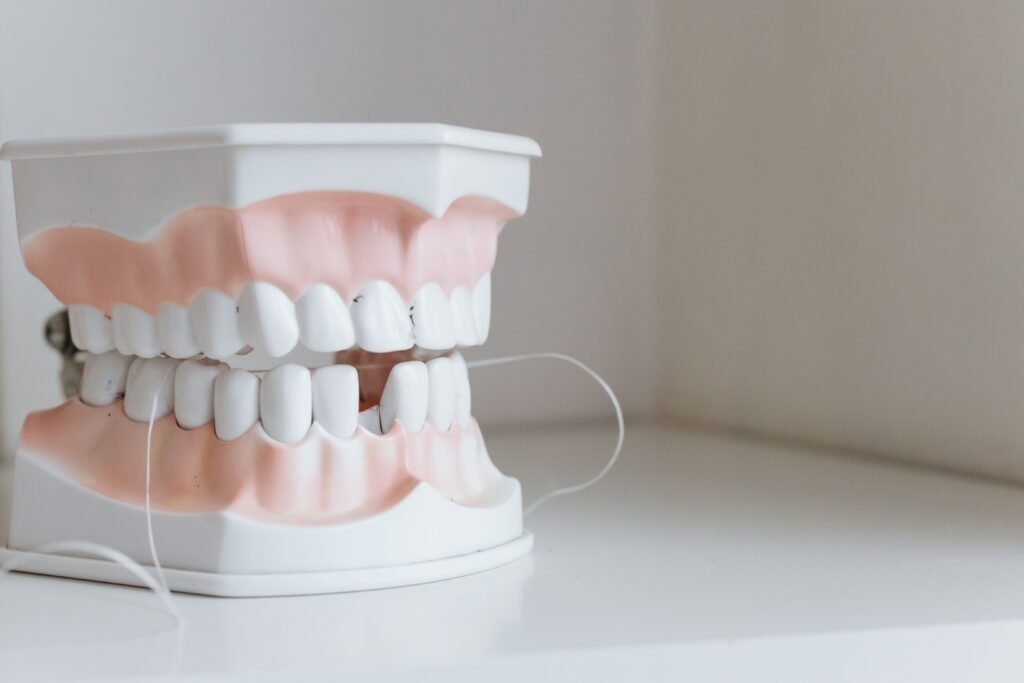
Dental floss, interdental brushes, and water flossers can help clean these spaces. The best option depends on your teeth, gums, preferences, and dental needs.
Floss should be guided gently between the teeth and along the sides of each tooth. Avoid snapping the floss forcefully against the gums because this can cause unnecessary irritation.
Cleaning between your teeth is particularly important around areas where teeth touch each other closely. Regular interdental cleaning can help reduce plaque accumulation and support healthier gums.
If your gums bleed when you begin flossing, speak with a dentist if the bleeding continues. Persistent bleeding can be a sign of gum inflammation that deserves professional attention.
3. Take Care of Your Gums
Healthy teeth depend on healthy gums. Your gums provide important support around your teeth, making gum care a major part of dental hygiene.
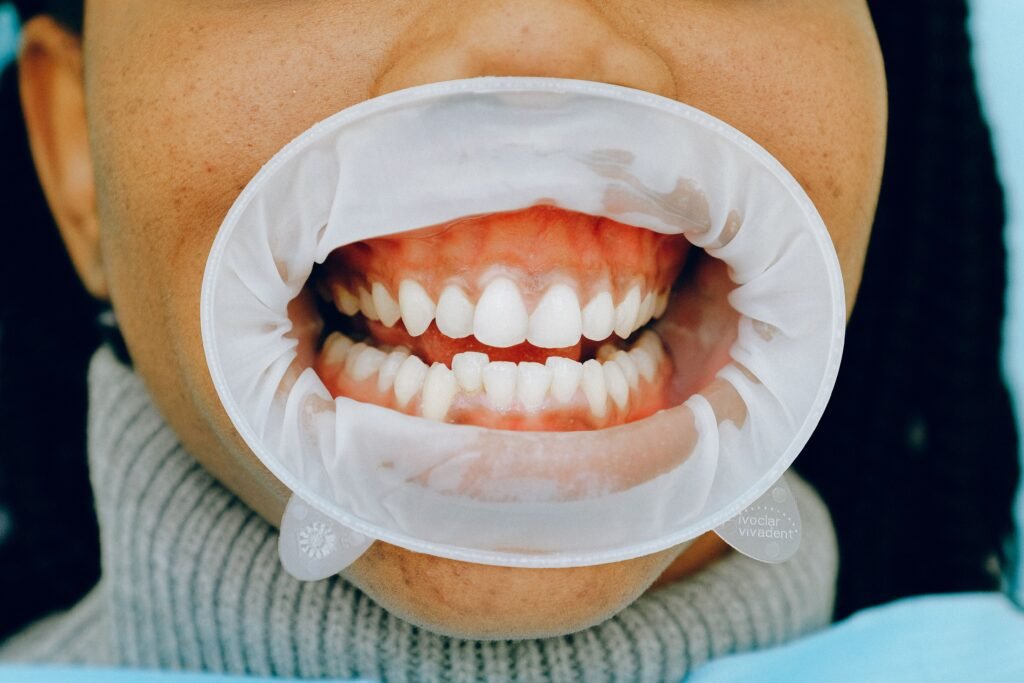
Healthy gums generally appear firm and can have a pink or naturally darker appearance depending on your individual pigmentation. Swelling, persistent bleeding, tenderness, or changes in the appearance of your gums can indicate a problem.
Gum disease can develop when plaque accumulates around the gumline. Early gum inflammation can sometimes be improved through better oral hygiene and professional care. More advanced gum disease can affect the tissues and bone supporting the teeth.
Pay attention to changes such as:
- Frequent bleeding during brushing
- Swollen gums
- Persistent gum tenderness
- Receding gums
- Persistent bad breath
- Loose teeth
- Changes in how your teeth fit together
If you notice these symptoms, arranging a dental examination is important.
4. Clean Your Tongue
Your tongue can collect bacteria, food particles, and other debris throughout the day. This buildup can contribute to unpleasant breath and can make your mouth feel less fresh.
Gently brushing your tongue or using a tongue scraper can help remove some of this buildup. Start near the back of the tongue and move toward the front using gentle pressure.
There is no need to scrape aggressively. The tongue is sensitive tissue, and excessive pressure can cause irritation.
Adding tongue cleaning to your morning and evening routine takes very little time and can contribute to the overall feeling of cleanliness in your mouth.

5. Use Fluoride Toothpaste
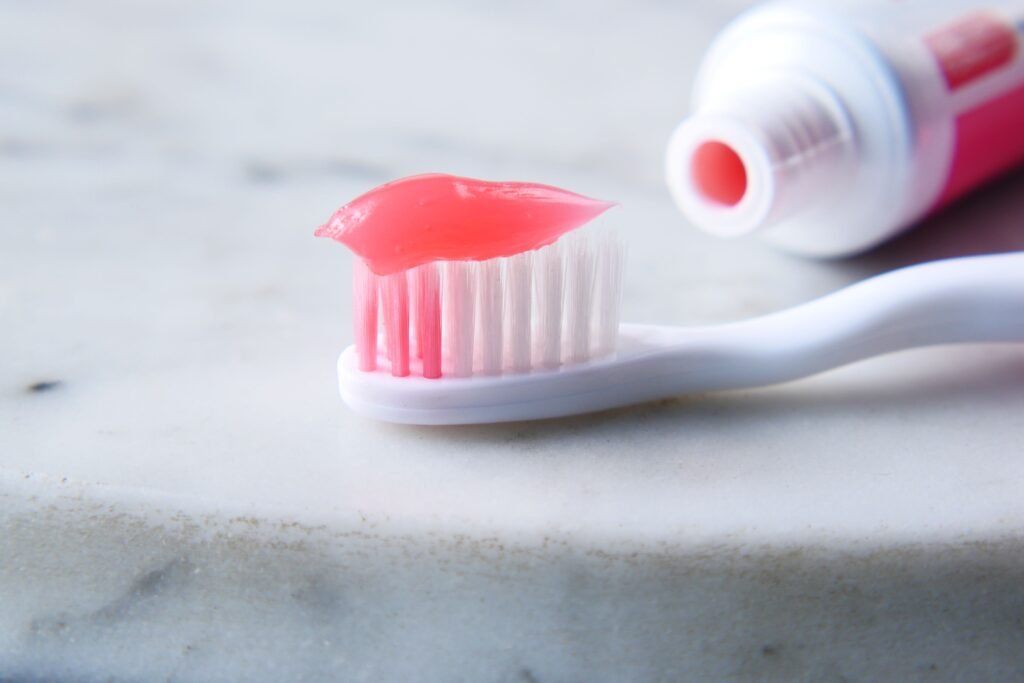
Fluoride is an important ingredient in many toothpastes because it helps strengthen tooth enamel and supports the teeth against acid-related damage.
Your teeth are exposed to acids throughout the day from bacteria and acidic foods and drinks. Fluoride helps the enamel resist demineralisation and supports remineralisation.
When choosing toothpaste, look for a reputable fluoride toothpaste that is appropriate for your age and dental needs. People with specific dental concerns such as sensitivity, gum problems, or a high risk of cavities may benefit from discussing toothpaste choices with their dentist.
Toothpaste should complement your complete dental hygiene routine. Brushing technique, frequency, cleaning between the teeth, diet, and professional care all matter.
6. Drink Plenty of Water
Water is a simple addition to a dental hygiene routine. Drinking water helps wash away some food particles and supports normal saliva production.
Saliva plays an important role in the mouth. It helps lubricate oral tissues, assists with swallowing, and contributes to the natural protection of teeth against acids.
Water can be especially useful after meals or after drinking beverages that contain sugar or pigments. Keeping water nearby throughout the day can also make it easier to stay hydrated.
If you regularly experience a dry mouth, mention it to your dentist or healthcare professional. Persistent dry mouth can increase the risk of dental problems because saliva provides several protective functions.

7. Pay Attention to Your Diet
Your diet can have a significant influence on your dental hygiene. Foods and drinks containing sugars can provide fuel for bacteria that produce acids capable of damaging tooth enamel.
Frequent snacking on sugary foods can increase the number of times your teeth are exposed to these acids throughout the day. Sugary drinks can have a similar effect, particularly when they are consumed slowly over extended periods.
Some foods and drinks are also highly acidic. Examples include certain soft drinks, energy drinks, fruit juices, citrus fruits, and other acidic products.
Helpful habits include:
- Drinking water regularly
- Limiting frequent sugary snacks
- Choosing balanced meals
- Rinsing with water after acidic drinks
- Being mindful of how frequently you consume sugary beverages
- Including nutrient-rich foods in your diet
Your diet does not need to be perfect. Consistency and awareness can make dental hygiene easier to maintain.
Interested in supporting your overall oral-care routine while working toward a healthier-looking smile? Explore ProvaDent and see what its formula has to offer.
CLICK HERE

What Causes Yellow or Stained Teeth?
Tooth colour naturally varies from person to person. Teeth can also become darker or develop visible stains as time passes.
Some discolouration occurs on the outer surface of the teeth. These stains are often associated with foods, drinks, tobacco, and plaque buildup.
Other forms of discolouration occur within the tooth. Age, certain medications, injuries, developmental conditions, and changes to the tooth structure can contribute to deeper colour changes.
Common sources of staining include:
Coffee
Coffee contains pigments that can attach to tooth surfaces. Frequent coffee consumption can gradually contribute to visible staining.
Tea
Tea can also contribute to tooth staining, particularly when consumed regularly. Some types of tea contain compounds that can adhere to tooth surfaces.
Tobacco
Smoking and tobacco products can cause noticeable yellow or brown staining. Tobacco use is also associated with significant oral health risks, including gum disease and oral cancer.
Dark-Coloured Foods and Drinks
Products such as cola, berries, tomato-based sauces, and certain dark beverages can contribute to surface staining.
Plaque and Tartar
Plaque buildup can make teeth look dull or yellow. When plaque hardens into tartar, professional dental cleaning is usually required.
Teeth Whitening: What Does It Actually Do?
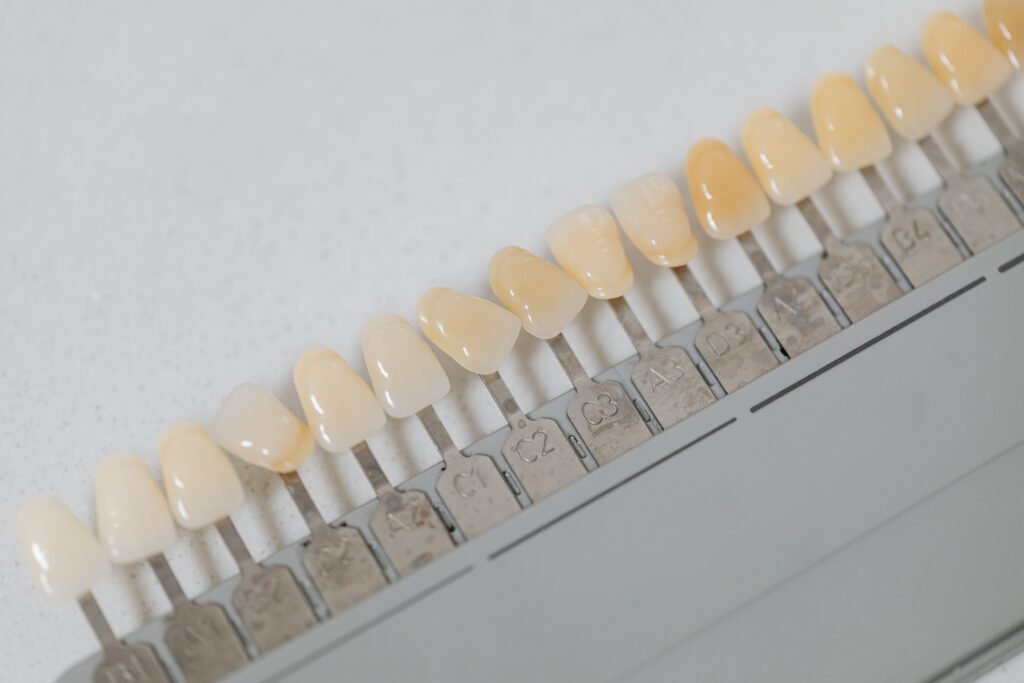
Teeth whitening is designed to make teeth appear lighter. Whitening products work through different mechanisms depending on the ingredients used.
Some whitening toothpastes primarily help remove surface stains through polishing. Whitening treatments containing peroxide-based ingredients can chemically break down certain stain compounds and lighten the appearance of teeth.
The effectiveness of whitening depends on the reason for the discolouration. Surface stains may respond differently from deeper internal colour changes.
It is also important to understand that whitening products affect natural teeth. Crowns, veneers, fillings, and other dental restorations may not change colour in the same way as natural tooth enamel.
A dental professional can help determine whether whitening is appropriate and identify the likely cause of tooth discolouration.
Whitening Toothpaste
Whitening toothpaste is one of the simplest products people use when they want to improve the appearance of stained teeth.
Many whitening toothpastes are designed to help remove surface stains through polishing ingredients. Some formulas also contain ingredients intended to support stain removal or prevent new stains from accumulating.
Results tend to depend on the type of staining and how consistently the toothpaste is used.
If you experience tooth sensitivity or gum irritation, consider speaking with your dentist about alternative products.
Whitening Strips
Whitening strips are another popular at-home option. They typically contain a whitening ingredient that is placed against the teeth for a specific amount of time.
Instructions vary between products, so it is important to follow the manufacturer’s recommended duration and frequency.
Temporary tooth sensitivity or gum irritation can occur with some whitening treatments. People with cavities, gum disease, cracked teeth, significant sensitivity, or extensive dental restorations should consider obtaining professional advice before whitening.
Professional Teeth Whitening
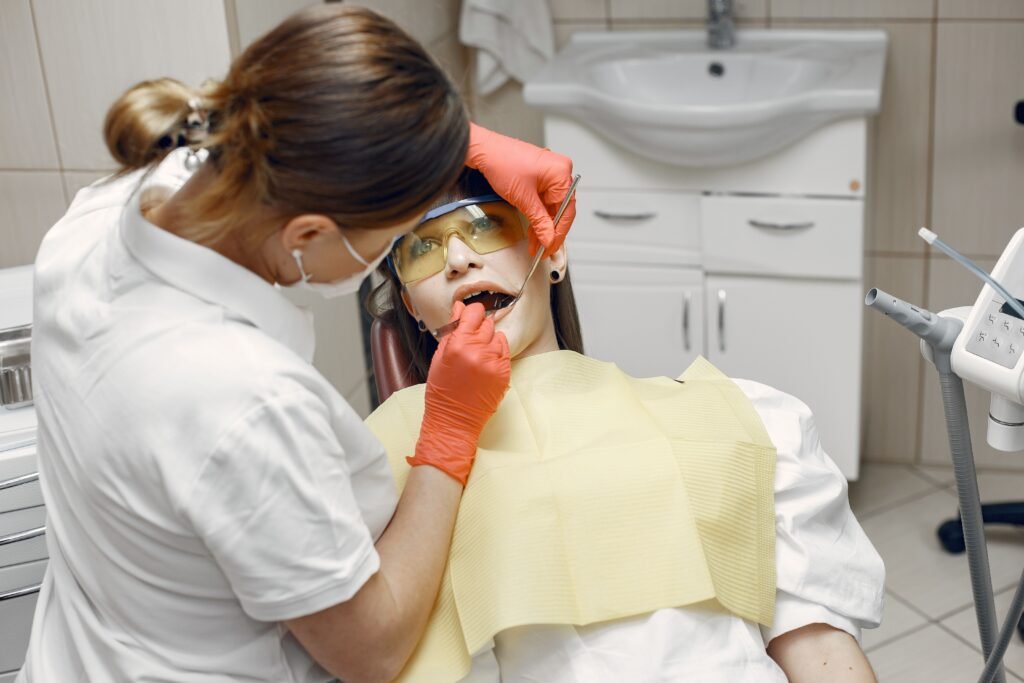
Professional teeth whitening involves treatment provided or supervised by a dental professional. A dentist can examine your teeth and gums before treatment and determine whether whitening is appropriate.
Professional treatment can also be useful when you have questions about sensitivity, uneven discolouration, dental restorations, or the cause of staining.
A dental examination provides an opportunity to identify cavities, gum problems, enamel damage, or other conditions that may need attention before cosmetic whitening.
Dental Hygiene Should Come Before Your Whitening Routine
A clean and healthy mouth provides a better foundation for cosmetic dental care. Establishing a consistent dental hygiene routine helps manage plaque and supports the health of your teeth and gums.
A useful order of priorities is:
- Brush twice daily with fluoride toothpaste.
- Clean between your teeth every day.
- Keep your tongue clean.
- Drink water regularly.
- Maintain a balanced diet.
- Attend regular dental examinations.
- Address dental problems promptly.
- Consider whitening products according to your dental needs.
This approach makes dental hygiene part of your everyday lifestyle rather than something you only think about when you want a whiter smile.
Can Oral Health Supplements Be Part of Your Routine?
Some people choose to add oral health supplements to their daily routine. Products in this category may contain ingredients such as probiotics, xylitol, plant extracts, vitamins, or minerals.
ProvaDent is an oral-care supplement marketed around ingredients intended to support oral health, including probiotics and xylitol. People considering an oral supplement should review the ingredients, serving instructions, manufacturer information, and available evidence before deciding whether it fits their routine.
Supplements can be considered alongside established dental hygiene habits. Brushing, interdental cleaning, fluoride toothpaste, a balanced diet, and professional dental care remain important foundations of oral health.
If you have an existing dental condition, take medication, are pregnant or breastfeeding, or have questions about whether a supplement is appropriate for you, consult a qualified healthcare professional.
Curious about adding an oral health supplement to your routine? Discover ProvaDent and take a closer look at its ingredients, formula, and approach to everyday oral care. Explore ProvaDent today and see if it could be the right addition to your dental hygiene routine.
A Simple Dental Hygiene Routine You Can Follow Every Day
Creating a routine makes dental hygiene easier to remember and maintain.
Morning
Start your day by brushing your teeth for approximately two minutes with fluoride toothpaste. Gently clean your tongue and rinse your mouth according to the instructions for your chosen oral-care products.
Drinking water after breakfast can also help you stay hydrated throughout the morning.
During the Day
Drink water regularly and pay attention to how frequently you consume sugary or acidic foods and drinks.
After coffee, tea, or meals, drinking water can help rinse your mouth. If you cannot brush your teeth immediately after eating, keeping water nearby is a simple habit.
Evening
Your evening dental hygiene routine is especially important because plaque and food particles can remain on your teeth overnight.
Clean between your teeth, brush for approximately two minutes with fluoride toothpaste, and gently clean your tongue.
After brushing at night, avoid consuming sugary foods or drinks.
Dental Hygiene Habits Worth Making Permanent
Good dental hygiene becomes much easier when it becomes automatic.
Keep your toothbrush and toothpaste somewhere visible. Set a consistent morning and evening brushing time. Keep floss or interdental brushes somewhere convenient. Carry a bottle of water when you are away from home.
Small habits can become powerful when they are repeated every day.
You can also keep track of your dental appointments and replace your toothbrush regularly. If you notice changes in your teeth, gums, breath, or sensitivity, make a note of them and discuss them with your dentist.
Final Thoughts on Dental Hygiene and Teeth Whitening
Dental hygiene deserves to be a daily priority because your teeth and gums need consistent care throughout your life. Brushing twice a day, cleaning between your teeth, caring for your gums, cleaning your tongue, drinking water, making thoughtful food choices, and visiting your dentist all contribute to maintaining a healthy mouth.
Teeth whitening can help improve the appearance of certain types of tooth staining, and understanding the cause of the staining can help you choose an appropriate approach. Professional dental advice can be particularly valuable when you have sensitivity, existing dental work, gum problems, or persistent discolouration.
A bright smile can be something you work toward, while the health of your teeth and gums remains the foundation of your oral-care routine.
Affiliate Disclosure
Some links in this article may be affiliate links. This means that if you purchase a product through one of these links, we may receive a small commission at no additional cost to you. We feature products that may be useful for readers who are exploring dental hygiene and oral-care options. Always review product details, ingredients, instructions, pricing, availability, and customer feedback before making a purchase.
Health Disclaimer
This article is intended for general educational purposes and does not replace professional dental advice, diagnosis, or treatment. If you experience persistent tooth pain, bleeding gums, swelling, significant sensitivity, loose teeth, oral sores, or other concerning symptoms, speak with a qualified dental professional.